Popular Topics for Keynotes and Presentations:
-
We all live stressful lives, but we may not think about the impact it has on us or how to manage it more effectively. This workshop helps you better understand how stress affects your body, emotions, and mind. We explain the importance of the Sympathetic (SNS) and Parasympathetic Nervous Systems (PNS) and how engaging the PNS in actionable ways will allow you to more effectively lower your stress levels and improve your well-being.ription text goes here
-
We help you identify imbalances in your work and life and provide you with the tools to improve your work-life balance by containing work more effectively and enrich your life.n text goes here
-
Rates of burnout were increasing before the pandemic and have only continued to rise. In this workshop, we discuss what burnout is and how to assess your individual level. We explore the various symptoms of burnout so that you can identify burnout in yourself and others, and we then provide a variety of strategies that can help you prevent it.
-
Compassion fatigue is common in caring professions, such as those who care for animals or human patients. In this workshop, compassion fatigue will be explained and differentiated from burnout. A variety of individual and workplace strategies will be discussed to improve or prevent compassion fatigue in caregivers.
-
Leaders who support lab animal professionals can play an important role in protecting their staff from compassion fatigue. This workshop gives a brief overview of compassion fatigue and symptoms, so that leaders better understand the condition. Then a variety of strategies are discussed that leaders can easily implement to improve staff well-being, productivity, and retention.
-
While many of us are often on our smartphones and computers, we may not think about why we are spending so much time on them. This workshop explains how our phones and social media are designed to be addictive and to take as much of our time and attention as possible. We look at the impact smartphones, apps, and social media have on our brains, attention, physical, and mental health. The harm to youth from technology also can be discussed, if desired. Finally, this workshop provides pragmatic strategies and steps you can use to take back control from your technology and be more present and engaged in your life.
-
Mindfulness is a term that is frequently used these days, but what does it really mean? This workshop explains what mindfulness is and how incorporating more into your life will benefit you. We then take participants through a variety of exercises to practice mindfulness in approachable simple ways.
-
Life can be challenging, and tapping into your resilience can be beneficial for your well-being. In this workshop, we explain what resilience is and then discuss the 5 Resilience Factors you can engage to approach failures and setbacks with a more positive mindset and grow from these experiences.
-
We teach you how to identify impostor syndrome in yourself and others, what contributes to it, what "type" of imposter syndrome you have, and clear steps and strategies to combat it
-
Talking to others in person can be uncomfortable, and many have more difficulties as technology has decreased our opportunities to practice these skills. This workshop will help you become a more effective and assertive communicator. We discuss common barriers to effective communication and then provide strategies to communicate more effectively verbally and non-verbally. We can also address ways to improve professional emails and written communication, if desired. Finally, we end with ways to calm and ground yourself before having a difficult conversation.
-
Emotional Intelligence (EQ) is the ability to understand your own emotions and the emotions of others and to use your emotions effectively to guide thinking and action. This workshop will help you better understand what this is, assess your own skills, and help you improve your emotional intelligence regardless of your current level of ability.
-
This workshop will help you better understand what self-care is, how it includes good sleep, why it is important, and how to take better care of yourself so that you may more fully engage in your life and take care of others.
-
Moral stress is common in most professions, but it can be prevalent in animal research. In this presentation, the concept of moral stress will be explained and factors that could lead to it will be addressed. Additionally, a variety of strategies to help protect oneself from moral stress at work will be discussed.
“Heather offered timely insight and perspective regarding the value of these conversations for engaging and retaining talent. She thoughtfully addressed the delicate balance between employee and organizational needs for creating a safe, supportive, and inclusive work environment. Webcast participants left the session with resources and actionable tips.”
Well-Being Isn’t Always a Solo Endeavor
Keynotes, workshops, & well-being programs for academics, researchers, and animal-care professionals
Your best people are stretched thin, and a generic wellness webinar isn't going to fix that.
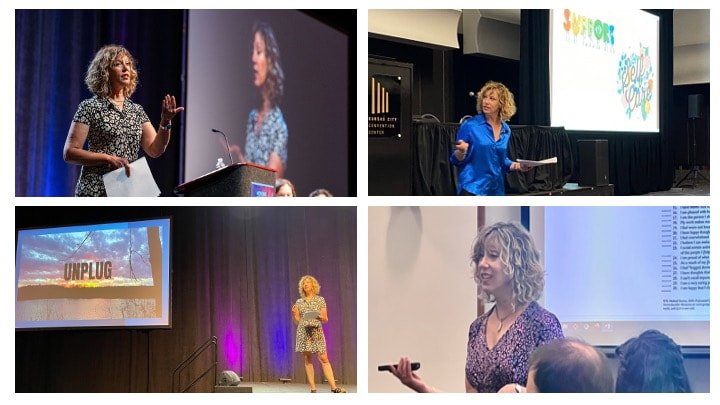
Before every keynote or workshop, I talk directly with your organization about what your people are actually facing, then build the session around that, not a reusable deck. I bring three decades of clinical psychology experience into every session I lead, tailored to your people, whether that's an academic department, a research lab, or a team of veterinary and lab animal professionals.
They'll walk away with strategies they can actually use, not slides they'll forget by Monday.
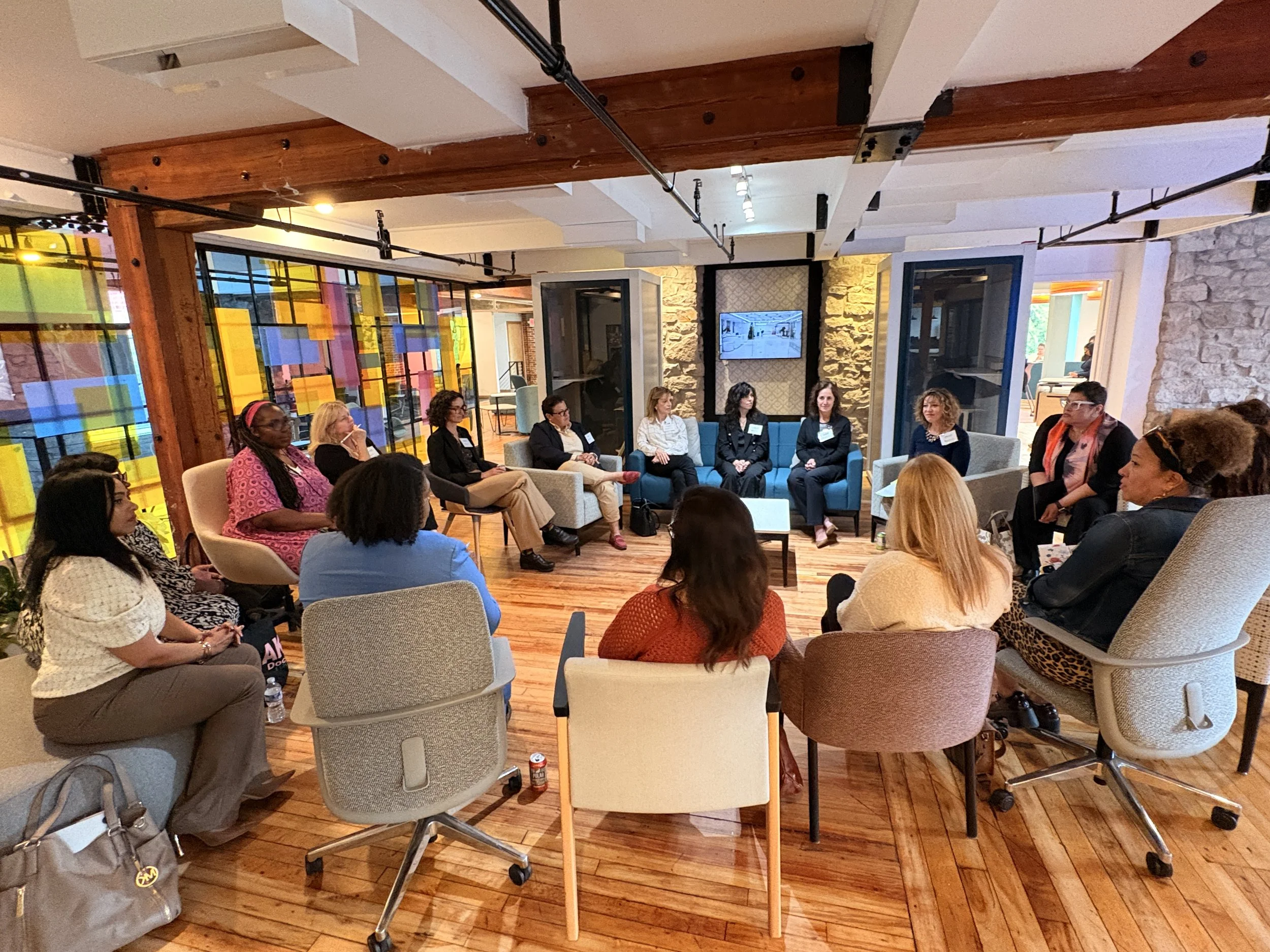
Ongoing, small-group formats for teams who want continued support in an intimate setting, not just a one-time talk. I tailor this format to your specific audience and/or industry; these are available virtually or in-person.
Discussion Groups and Training Sessions
Discussion Groups
Peer-Consultation Groups: A discussion group of up to 10 people; each session opens with a check-in, and the discussion grows organically from whatever challenges attendees bring that day.
Topic-Driven Groups: A discussion group of up to 20 people; a short presentation on a chosen topic (eg. stress management), followed by facilitated discussion on the topic.
Training Sessions
Care-IQ Training: A single, tailored 1-3 hour mental-health awareness training that gives your team a shared foundation on what mental health struggles can look like, the basics of active listening, and how to tell the difference between someone having a hard day and someone in crisis. It's a starting point for organizations that want their people equipped with real tools, not just a pamphlet. For teams who want to go further, Peer Support Training builds on this with a full 4-session program.
Peer-Support Training: A four-session program that builds a network of trained peer supporters inside your organization, typically delivered over about a month. Participants learn the fundamentals of mental health, active listening, how to tell the difference between distress and crisis, and how to have direct, caring conversations with colleagues about their safety. This is a full program, not a single session. It leaves your team genuinely equipped to support each other long after the training ends.
I built this service entirely myself, and I’m incredibly proud. Instead of guessing what your organization needs, I prepare a deep dive on your team’s dynamics through a combination of quantitative metrics, anonymous surveys, and confidential focus groups. Not only will you get a written assessment of your group, but I provide practical recommendations to improve and support your team. I've used this process across PhD programs and academic departments, including a project within one department that evaluated four different populations: grad students and postdocs, administration staff, research staff, and faculty.
Well-Being Needs Assessment
For Those Seeking the Solo Route
If you or someone on your team prefers one-on-one support, I also offer individual coaching for academics, researchers, and veterinary and lab animal professionals.

The Top Team Questions
-
I'm a licensed clinical psychologist with a doctorate and three decades of experience, not a consultant who read a few books on team culture. That includes real-world experience as a professor, years spent working directly with graduate and professional students, and firsthand understanding of the lab animal world. Every session comes from real clinical training, tailored specifically to your audience, not a generic deck I reuse for every client.
-
Pricing works on a sliding scale based on audience size, format, and scope. Reach out, and I'll walk you through what makes sense for your needs.
-
Yes, I speak and facilitate virtually as often as in person, including internationally.
-
I often speak about stress management, work-life balance, mindfulness for real life, resilience and growth mindset, effective communication, technology's impact on well-being, and compassion fatigue for research and animal care teams. I'm also happy to build a custom presentation for your team
-
Yes. In addition to academic institutions, I regularly work with pharmaceutical companies, biomedical research facilities, veterinary professionals, vet techs, laboratory animal professionals, zoologists, zoo and wildlife professionals, and animal shelter and rescue staff.
“Heather is an excellent public speaker and clearly an expert in her field. I highly recommend Heather and Thrive Well-Being to any individual or department/institution seeking to start or further develop a compassion fatigue program!”
The Person Leading the Room
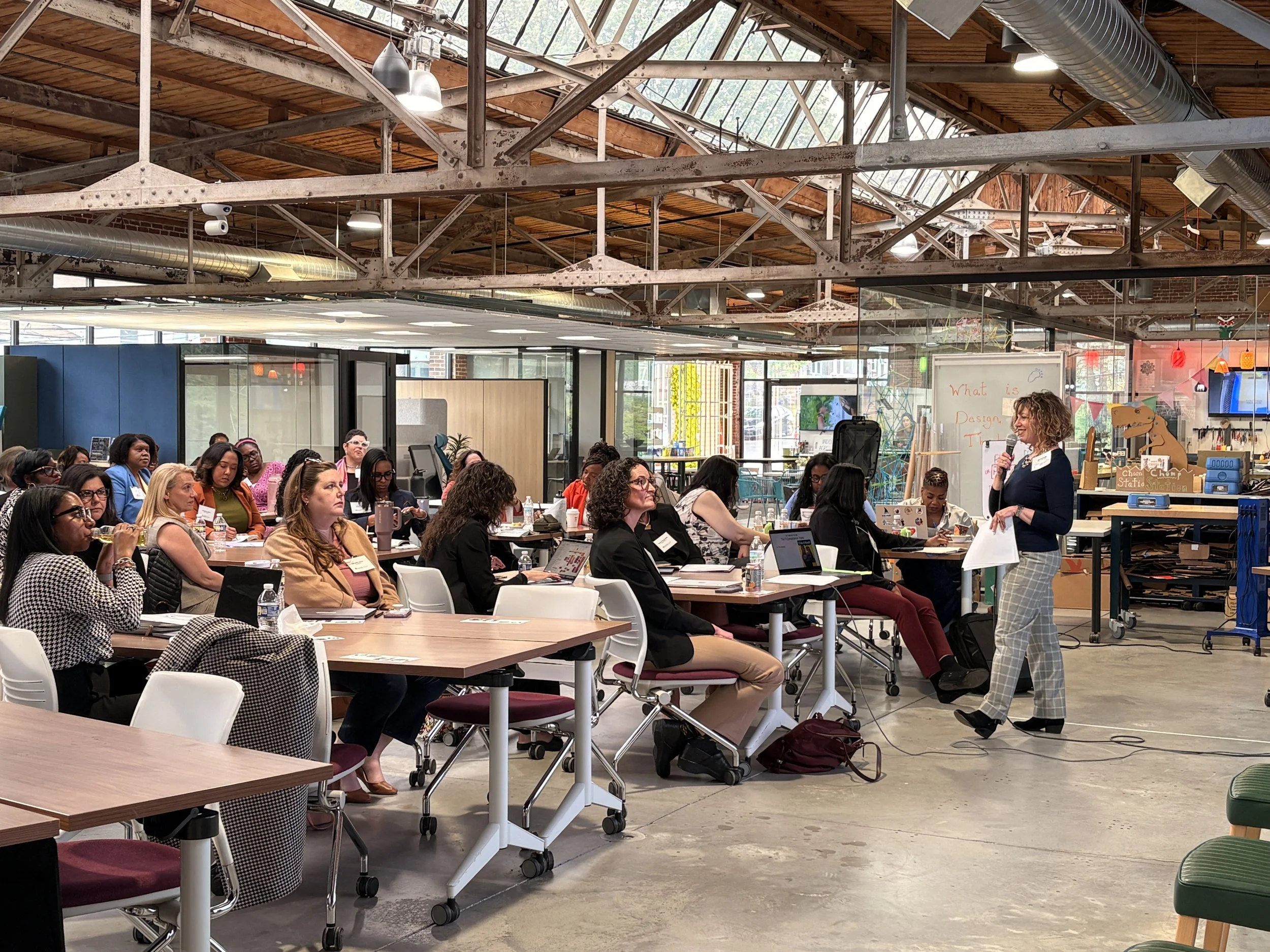
I've spent three decades as a licensed clinical psychologist, including years working inside academic and research institutions much like yours. I've led sessions for groups of 20 and audiences of 200, always shaped by real clinical training and experience.
How This Comes Together:
Reach out with your group size, format, timeline, and the problem you're hoping to address.
We'll talk through content, dates, and logistics so the session fits your team specifically.
I deliver the session, virtually or in person, and follow up with resources your team can actually use.
Let’s Build Well-Being Together
You don't need the perfect topic or format figured out before reaching out. That's what we'll work out on a call. Your best people don't stay your best people forever if nothing changes. Your team is worth investing in.