The Why Behind Well-Being
About 30 years ago, I started as a clinical psychologist. Over the course of that time, I worked in university counseling centers, a department of psychiatry, and community mental health centers. I was seeing adults of every age, background, and walk of life, in both urban and rural settings. That is where I learned that well-being isn’t a blanket concept. It looks different depending on who you are and what your days actually demand of you.
After seven years as a professor at Dartmouth College and years more inside university counseling centers and community mental health centers, I felt myself pulled toward a different way of working: more collaborative, more future-focused, and more practical. I was deeply invested in researching mindfulness, self-compassion, gratitude, exercise, and sleep, and I wanted to help people use these tools to better their mental health. In 2019, I left academia to become a well-being consultant and coach, shifting my focus from fixing problems to helping people actively pursue what they actually want.
Physicians, academics, researchers, and educators make up half of who I work with today. This draws directly from my own years inside higher education and from three decades of experience with people under genuine, sustained pressure. It's also where much of my speaking and training work lives: talks on resilience and growth mindset for research communities, professional development sessions on mindfulness and stress management for educators, and ongoing discussion groups for departments working to support their people better.
The other half of my work involves veterinary and lab animal professionals, which came from a combination of my own clinical background supporting researchers, scientists, and vet teams and a front-row seat through my husband, a systems and computational neuroscientist, whose research depends on the people who care for the animals in his lab. Few people understand how connected these professionals are to the animals in their care or how directly their work supports revolutionary medical and scientific progress.
I didn’t originally plan on specializing in this space. However, things changed when COVID hit that world hard, with animal care professionals continuing to work in-person while their colleagues stayed safely at home. Penn's veterinary leadership asked if I could help after watching their staff struggle. One workshop led to another, and soon I was being invited to speak at conferences across the field.
While trying to name my business, my husband asked what I actually wanted for my clients. My answer was swift and simple: I wanted them to thrive. The name stuck, and so did the meaning behind it — well-being, not just wellness.
Learn more about the psychologist behind Thrive Well-Being
“Heather notices the small things the rest of us walk right past. She’s the one who says, ‘Take off your headphones. Put your phone down. Say hi to someone.’ I appreciate her honesty and her down-to-earthness. She enjoys the simple pleasures, and she reminds us to slow down, take a breath, and actually look around, to notice the trees instead of getting lost in every man-made distraction. Pay attention. Breathe. Be human.”
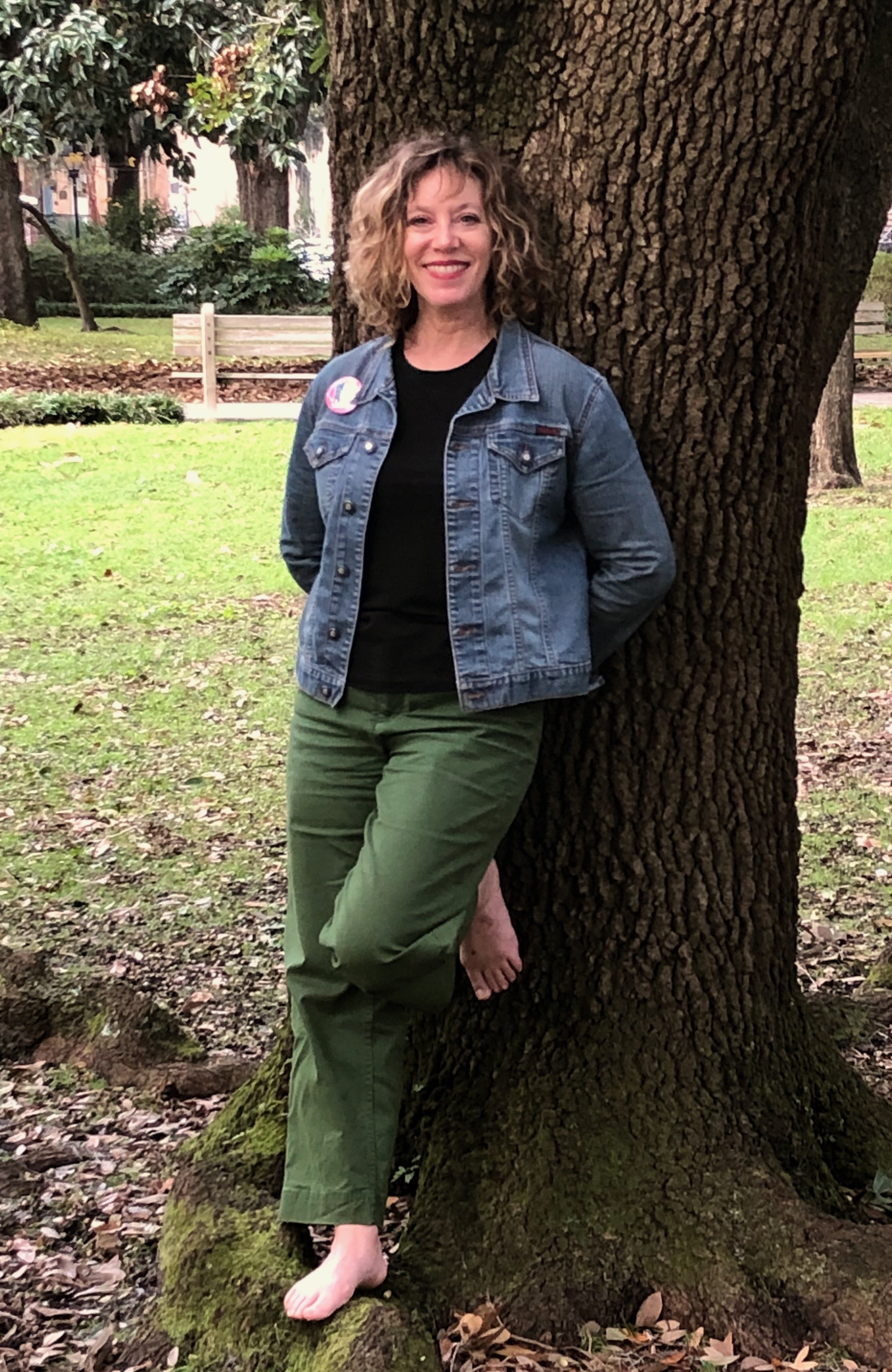
I'm a PsyD and a licensed clinical psychologist with three decades of clinical and academic experience, including seven years as a professor at Dartmouth College. I founded Thrive Well-Being in 2019, and I now work with clients nationally and internationally — specifically, physicians and academics, and organizations across higher education, research, and animal care in my consulting work.
More About Dr. Heather Hersh
“In spring 2020 I requested Dr. Hersh’s expertise in helping our clinical team of vets and vet techs navigate the many challenges our staff were facing…our group met with her in small group discussion sessions over the course of several months, and the staff deeply valued their time with her. I strongly believe that she played a significant role in helping numerous members of our team manage during this extremely difficult time.”

Who I Work With
I hold myself to the same confidentiality and ethical standards in coaching that I held as a therapist because the people I work with deserve that, regardless of what we call the relationship. I follow through on what I say I'll do, and I don't take on work that doesn't fit. If I'm not the right person to help, I'll tell you honestly and point you toward someone who is.
My own self-care is unglamorous, but it works wonders: weightlifting, long walks, and a gratitude journal that I write in every night. I'm also a proud Philadelphia Phambassador, which is my way of saying that I love Philly and will talk your ear off about my city given half a chance.
Practicing What I Teach
I bring three decades of clinical training and experience in the worlds you’re navigating to every conversation. My goal is to ensure you feel seen, supported, and ready to move forward. If that’s the next step in your journey, I’d love to hear from you.
Let’s Figure Out What Thriving Looks Like for You